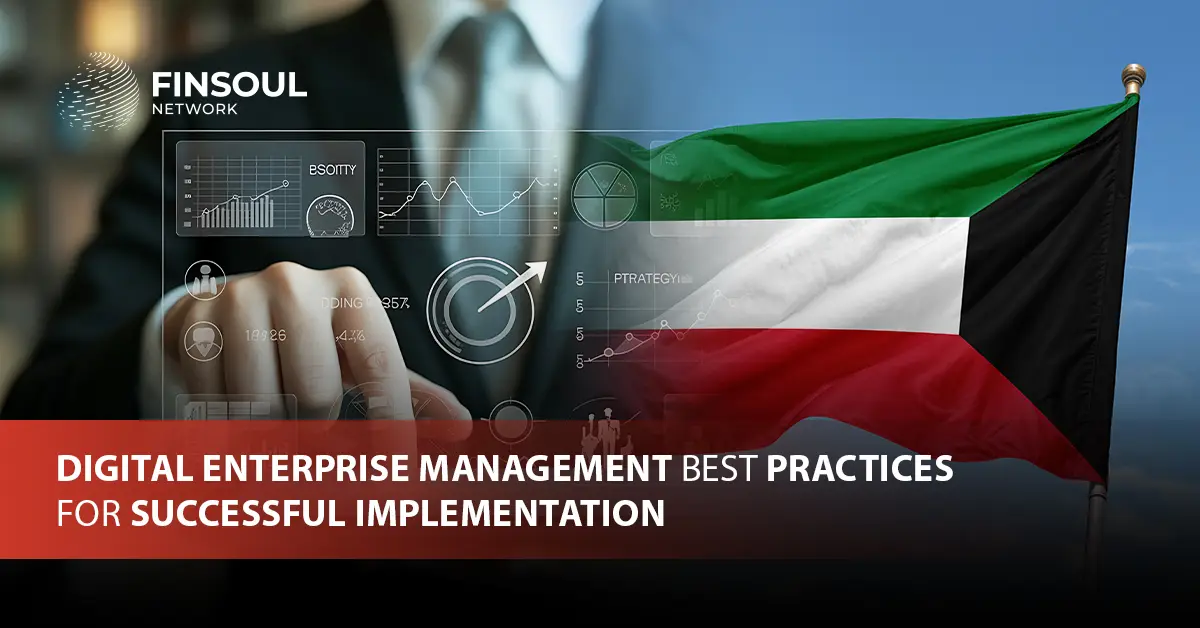
Digital Enterprise Management Best Practices for Successful Implementation
In today’s fast-evolving digital landscape, Enterprise Management has become the backbone of sustainable business growth. Organizations are no longer relying on traditional systems; instead, they are adopting integrated digital strategies to streamline operations, improve decision-making, and enhance overall efficiency. Successful implementation of Enterprise Management requires clear planning, leadership alignment, and the right technology framework.
At the same time, Enterprise Data Management plays a critical role in ensuring that business data is accurate, secure, and accessible across departments. Without structured data governance and real-time insights, even the best enterprise strategies can fail. Companies that focus on aligning technology with business goals gain a competitive advantage in the market. Leading firms like Finsoul Network Kuwait emphasize the importance of digital transformation strategies that combine strong management practices with intelligent data solutions. By adopting proven best practices, businesses can ensure a smooth transition toward a more agile and digitally empowered enterprise ecosystem.
What Is Enterprise Management in the Digital Era?
In the current business environment, organizations face constant pressure to improve efficiency, reduce costs, and respond quickly to market changes. Enterprise Management refers to the structured approach used to oversee and coordinate all aspects of an organization’s operations people, processes, and technology to achieve business objectives consistently.
In the digital era, enterprises cannot rely solely on manual processes or outdated systems. Digital technologies such as cloud computing, ERP systems, and data analytics have changed how organizations operate. Modern enterprise management focuses on creating standardized procedures, ensuring reliable data flow, and connecting technology with operational goals.
Finsoul Network Kuwait provides support for businesses seeking to implement enterprise management systems. Our services cover system selection, process alignment, and ongoing monitoring to ensure organizations operate efficiently and effectively.
Table of Contents
Why Enterprise Management Is Critical for Digital Transformation Success
Implementing enterprise management is a fundamental step for organizations undertaking digital initiatives. Without proper management structures, digital tools often fail to deliver the expected benefits, leading to inefficient processes and underutilized technology investments.
Key reasons enterprise management is vital for digital transformation include:
- Consistent Operations: Structured management ensures uniform processes across departments, reducing errors and duplication.
- Improved Resource Allocation: Enterprises can assign personnel, technology, and capital more effectively.
- Reliable Decision-Making: Centralized information provides accurate insights to guide strategy.
- Scalability and Adaptability: Proper management systems support expansion and allow organizations to adjust to changing market demands.
Finsoul Network Kuwait assists organizations in creating enterprise management frameworks that align with their digital initiatives, ensuring that technology investments deliver measurable results.
Core Pillars of Effective Enterprise Management Strategy
Effective enterprise management rests on three essential pillars: people, processes, and technology. Each must be addressed comprehensively for an enterprise to operate reliably and meet its goals.
People: The workforce drives enterprise performance. Clear roles, accountability measures, and ongoing skills development are crucial to maintaining operational standards. Leaders play a vital role in monitoring performance, providing guidance, and establishing priorities.
Processes: Standardized workflows are the backbone of enterprise management. Documented procedures help maintain consistency, reduce errors, and increase efficiency. Automation can improve repetitive tasks but should complement human oversight rather than replace it.
Technology: Digital systems provide visibility, control, and data for decision-making. ERP solutions, enterprise asset management platforms, and data reporting systems ensure operations are integrated and monitored effectively.
Finsoul Network Kuwait provides consulting services that help organizations align these three pillars. Our approach ensures that processes, people, and technology work together to maintain stable operations and support business objectives.
Leadership’s Role in Driving Enterprise Management Excellence
Leadership plays a key role in implementing enterprise management. Managers and executives set expectations, monitor compliance, and provide the direction necessary for consistency and reliability. Effective leadership ensures that staff understand organizational priorities and follow defined procedures.
Practical steps for leaders include:
- Defining clear objectives for enterprise management initiatives.
- Communicating processes, standards, and expected outcomes to all employees.
- Reviewing operational metrics regularly to identify gaps or inefficiencies.
- Encouraging staff to report issues and suggest practical improvements.
By working with Finsoul Network Kuwait, organizations can receive guidance on creating governance structures and operational frameworks that maintain high levels of performance across all departments.
Technology Integration and Enterprise Management Alignment
Technology supports every element of modern enterprise management. Selecting and implementing the right systems ensures that operations are efficient, reliable, and transparent.
Key technology areas include:
- Enterprise Resource Planning (ERP): Integrates financial, HR Services, supply chain, and production processes.
- Digital Asset Management: Provides a central repository for digital content, improving accessibility and control.
- Enterprise Asset Management System: Monitors physical and digital assets to maintain value, reduce downtime, and minimize maintenance costs.
Technology must align with operational needs rather than be implemented for its own sake. Finsoul Network Kuwait assists enterprises in identifying suitable platforms, managing deployments, and monitoring system performance to ensure consistent results.
Data-Driven Decision Making in Modern Enterprise Management
Accurate and accessible data is central to effective enterprise management. Organizations can rely on information to guide strategy, identify inefficiencies, and make informed decisions.
Components of data-driven enterprise management include:
- Enterprise Data Management: Organizes and consolidates information from multiple systems to ensure accuracy and reliability.
- Dashboards and Reporting: Provides real-time operational visibility for better decision-making.
- Analytics and Forecasting: Identifies trends and resource needs based on collected data.
With guidance from Finsoul Network Kuwait, businesses can integrate data management systems that maintain data quality and facilitate reliable operational insights.
Change Management Frameworks for Enterprise Management Implementation
Introducing enterprise management systems often requires organizational adjustments. Structured change management ensures smooth adoption and compliance with operational standards.
Key steps include:
- Clear communication about process changes and operational expectations.
- Training programs to ensure staff understand and follow new procedures.
- Monitoring compliance and providing feedback to address challenges.
- Gradual implementation of systems and processes to minimize disruption.
Finsoul Network Kuwait supports organizations by providing structured guidance during change management, helping teams adjust to new operational procedures without interrupting daily activities.
Risk Management and Governance in Enterprise Management
Managing risk is a fundamental aspect of enterprise management. Governance ensures that operations meet organizational and regulatory standards while identifying potential threats before they affect performance.
Key elements include:
- Enterprise Risk Management identifies and addresses financial, operational, and regulatory risks to maintain organizational stability and compliance.
- Compliance monitoring to ensure adherence to industry standards.
- Internal audits and reporting systems to detect and resolve issues promptly.
By leveraging the expertise of Finsoul Network Kuwait, organizations gain structured risk oversight that safeguards operations and maintains reliable performance across departments.
Resource and Asset Oversight
Maintaining control over resources and assets is essential to enterprise reliability. Inefficient use of staff, technology, or physical assets can result in unnecessary costs and operational delays.
Strategies include:
- Conducting regular inventories of physical and digital assets.
- Utilizing an enterprise asset management system to monitor asset performance and lifecycle.
- Establishing accountability for resource use and operational efficiency.
Finsoul Network Kuwait helps organizations establish asset tracking processes, reporting systems, and operational guidelines that ensure resources are used effectively and consistently.
Common Enterprise Management Implementation Mistakes to Avoid
Even well-planned initiatives can encounter challenges if key areas are overlooked. Common mistakes in enterprise management implementation include:
- Lack of clear leadership and accountability.
- Poor communication of new processes and expectations.
- Over-reliance on technology without addressing staff responsibilities.
- Inadequate monitoring and reporting to detect process deviations.
Finsoul Network Kuwait provides oversight and guidance that helps organizations avoid these pitfalls, ensuring enterprise management systems deliver consistent results from day one.
Training and Workforce Alignment
Employees are critical to successful enterprise management. Consistent procedures depend on staff understanding their roles, following documented processes, and reporting issues.
Steps for workforce alignment include:
- Structured onboarding and training programs for all operational staff.
- Clear documentation of procedures and policies.
- Regular performance reviews to assess adherence to processes.
- Encouraging feedback to improve operational efficiency.
Finsoul Network Kuwait assists organizations in designing training programs that maintain high standards and ensure staff align with enterprise management objectives.
Continuous Monitoring and Evaluation
Enterprise management is not a one-time activity. Continuous monitoring ensures processes remain effective and objectives are met consistently.
Key activities include:
- Tracking key performance indicators (KPIs) to measure operational efficiency.
- Reviewing system logs and reports to detect anomalies.
- Updating procedures as operational requirements evolve.
- Maintaining regular communication between departments to ensure process consistency.
With support from Finsoul Network Kuwait, businesses can establish monitoring frameworks that maintain operational reliability and support decision-making.
Regulatory Compliance and Standards
Enterprises operate under numerous regulatory requirements. Ensuring compliance protects organizations from legal issues and financial penalties.
Enterprise management practices should include:
- Regular audits of processes and systems.
- Documentation of compliance procedures.
- Maintaining records of operational decisions and approvals.
- Using technology to track compliance and generate reports.
Finsoul Network Kuwait offers consultancy to help enterprises integrate compliance procedures into daily operations, ensuring that management systems meet industry standards.
Future Trends Shaping Enterprise Management
Enterprise management continues to evolve with technology, industry practices, and operational expectations. Key trends to watch include:
- Expanded use of integrated reporting systems for real-time insights.
- Increased reliance on centralized data for operational and strategic decisions.
- Adoption of digital solutions to monitor assets and processes efficiently.
- Standardization of processes across multi-location enterprises to ensure consistency.
By observing these trends, organizations can maintain reliable operations and respond effectively to emerging challenges. Finsoul Network Kuwait provides guidance on implementing systems and practices that align with current trends while maintaining operational control.
Conclusion: Enterprise Management as the Foundation of Digital Success
Implementing effective enterprise management is critical for ensuring consistent operations, accurate decision-making, and long-term business stability in the digital era. Organizations that combine structured processes, reliable technology, and careful monitoring of resources can reduce risks and maintain high operational standards.
If you are looking for a dependable consulting partner in Kuwait to implement enterprise management systems and improve your business performance, now is the time to work with Finsoul Network Kuwait experienced advisors who provide practical solutions aligned with both local market requirements and global best practices.
FAQs
What Is Enterprise Management?
Enterprise management is the practice of overseeing all aspects of an organization people, processes, and technology to maintain operational efficiency and achieve business objectives.
Why Is Enterprise Management Important for Digital Transformation?
It ensures that digital systems are integrated into operations, processes are standardized, and decisions are based on accurate information.
What Are the Core Components of Enterprise Management?
The three core components are people, processes, and technology.
How Does Enterprise Management Improve Organizational Performance?
By standardizing processes, centralizing data, monitoring assets, and reducing risks, enterprise management improves reliability and efficiency.
What Are the Biggest Challenges in Enterprise Management Implementation?
Common challenges include insufficient leadership support, poor communication, over-reliance on technology without process alignment, and lack of monitoring. Consulting with Finsoul Network Kuwait can help address these issues effectively.
No Comments