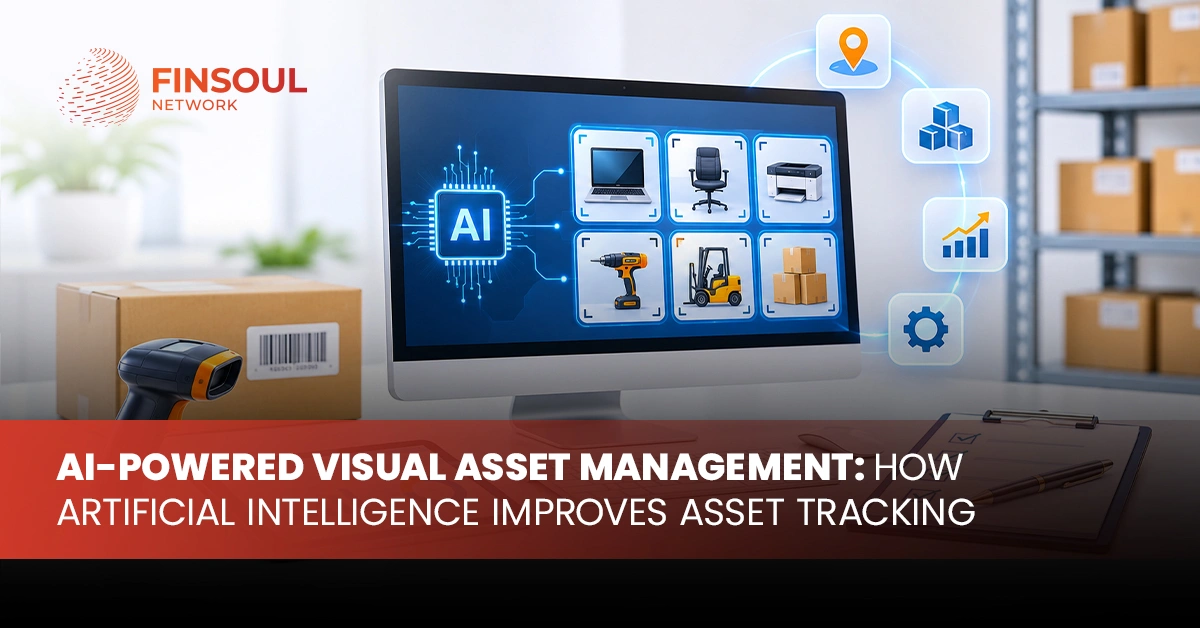

AI-Powered Visual Asset Management: How Artificial Intelligence Improves Asset Tracking
Losing track of business assets creates costs that extend far beyond missing equipment. Unrecorded machinery, misplaced tools, inaccurate inventory records and delayed maintenance affect productivity, increase operating expenses and weaken financial control. Businesses managing hundreds or thousands of physical assets need more than spreadsheets and manual inspections to maintain accurate records.
Artificial intelligence is changing how organisations manage these responsibilities. AI-powered visual asset management combines computer vision, machine learning, image recognition and connected tracking technologies to identify assets, monitor their condition and automate routine inspections. Instead of relying entirely on employees to locate and record equipment, businesses can use cameras, mobile devices and intelligent software to collect and analyse asset information.
What Is AI-Powered Visual Asset Management?
AI-powered visual asset management uses artificial intelligence to identify, monitor, classify and analyse physical assets through images and video. The technology combines computer vision with asset management software to turn visual information into structured, usable data.
Traditional asset management relies heavily on manual inspections, spreadsheets, barcode scanning and periodic physical verification. These methods can work for smaller inventories, but they become difficult to maintain when businesses operate across multiple locations or manage large equipment portfolios.
Visual asset management introduces automated identification and monitoring. Cameras or mobile devices capture images of equipment, machinery, vehicles and other physical resources. AI models analyse these images to recognise objects, identify asset labels, detect visible damage and compare current conditions with previous inspection records.
How Artificial Intelligence Improves Asset Visibility
AI makes asset information more accessible by converting visual inputs into structured records.
Its capabilities include:
- Object recognition: Identifying machinery, vehicles, tools and equipment from images.
- Optical character recognition (OCR): Reading serial numbers, equipment labels and identification plates.
- Image classification: Categorising assets according to type, model or condition.
- Anomaly detection: Identifying visible changes, damage or irregularities.
- Automated data extraction: Converting inspection images into searchable asset information.
- Predictive analytics: Analysing historical and operational data to identify maintenance risks.
How Does AI-Powered Visual Asset Tracking Work?
Visual asset tracking follows a structured process that connects physical assets with digital records. The technology captures information, identifies relevant objects and updates the asset management system.
1. Image and Video Collection
The process begins with collecting visual information through cameras, smartphones, drones or fixed monitoring systems.
Employees can photograph equipment during inspections, while strategically positioned cameras capture images of assets moving through warehouses, production facilities or operational sites.
The quality of collected images matters. Appropriate lighting, camera positioning and image resolution help AI models identify assets accurately.
2. AI-Based Object Recognition
Computer vision models analyse captured images and identify specific objects.
For example, an industrial facility may use AI to distinguish between different machinery types, recognise vehicles or identify equipment stored in designated areas.
Object detection can also identify multiple assets within a single image, reducing the need for individual manual records.
3. Asset Identification and Data Extraction
After identifying an object, the system extracts relevant information using image recognition and OCR.
This can include:
- Asset identification numbers.
- Serial numbers and model details.
- Manufacturer information.
- Equipment labels.
- Visible condition indicators.
- Inspection dates and locations.
4. Integration With Asset Management Software
Visual information becomes more valuable when connected to an asset management platform.
The software links images with asset records, ownership details, location information, maintenance schedules and depreciation data.
5. Continuous Monitoring and Reporting
Once integrated, the system can support ongoing asset monitoring.
AI tools compare new images with previous records to identify changes in equipment condition, location or availability.
For example, a warehouse manager can review visual records to identify equipment stored in the wrong location or detect missing items during a stock verification exercise.
Key Technologies Behind AI-Powered Visual Asset Management
Several technologies work together to make intelligent asset tracking possible. Businesses need to understand their capabilities before selecting a suitable solution.
Computer Vision
Computer vision enables machines to interpret images and videos. AI models identify objects, recognise patterns and detect visual differences within captured information.
In asset management, computer vision supports equipment identification, inventory verification, condition monitoring and automated inspections.
Optical Character Recognition (OCR)
OCR extracts written information from photographs and scanned documents.
It helps asset management teams capture serial numbers, identification labels, model numbers and equipment details without manually entering every field.
QR Codes and Barcode Recognition
QR codes and barcodes provide unique identifiers for physical assets.
Employees can scan these codes using mobile devices to access equipment records, inspection histories and maintenance information.
AI-enhanced image recognition can also locate and read labels within captured images, helping automate asset verification.
RFID and IoT Integration
Radio Frequency Identification (RFID) uses radio signals to identify tagged assets, while Internet of Things (IoT) sensors collect operational information such as temperature, vibration, movement and equipment performance.
When connected to visual asset management software, these technologies provide additional tracking information.
Machine Learning and Predictive Analytics
Machine learning analyses historical and real-time information to identify patterns and predict potential problems.
In asset management, it can support maintenance forecasting, equipment performance analysis and identification of unusual operating conditions.
The quality of predictions depends on the availability of reliable historical data and appropriate model training.
Major Benefits of AI-Powered Visual Asset Management
AI-powered asset tracking improves how organisations identify, monitor and manage their physical resources. Its value extends beyond automated recordkeeping.
Improved Asset Tracking Accuracy
Manual asset registers frequently contain outdated information. Equipment moves between departments, employees forget to update records and physical verification takes considerable time.
Visual asset tracking provides additional evidence through images and automated identification. Businesses can compare physical assets with digital records and identify missing or incorrectly recorded equipment.
More accurate records improve operational visibility and financial reporting.
Faster Asset Audits and Inspections
Physical asset verification can consume significant employee time, particularly when businesses manage equipment across multiple locations.
AI-powered visual tools help automate identification and comparison activities.
For example, an organisation conducting a warehouse inspection can capture images of equipment and compare identified items against its asset register. Employees can focus on investigating discrepancies instead of manually recording every asset.
Reduced Maintenance Costs
Equipment failures can interrupt operations, delay projects and increase repair expenses.
Visual inspection systems help maintenance teams identify visible signs of wear, corrosion, leakage and physical damage.
When combined with operational sensor data, predictive analytics can identify patterns associated with equipment deterioration.
Maintenance teams can then prioritise inspections and plan repairs based on asset condition and operational requirements.
Better Asset Utilisation
Businesses sometimes purchase additional equipment without knowing that existing assets remain unused or underutilised at another location.
Visual asset tracking improves visibility into asset availability, deployment and movement.
Management can use this information to redistribute existing resources, reduce unnecessary purchases and improve equipment utilisation.
Stronger Financial Control
Accurate asset records support financial management, depreciation calculations, insurance documentation and capital expenditure planning.
Connecting visual records with accounting and asset management systems helps businesses maintain consistent information about asset ownership, location and condition.
Improved Accountability
Asset management requires clear responsibility for equipment across departments and locations.
Digital records can connect each asset with its assigned department, location, custodian and inspection history.
This improves accountability and makes it easier to investigate missing equipment, unauthorised movements and record discrepancies.
Industries in Oman That Benefit From Visual Asset Management
Businesses in Oman operate across industries with different asset tracking and monitoring requirements. AI-powered visual asset management provides practical applications for organisations managing valuable physical equipment and infrastructure.
Oil and Gas
Oil and gas companies manage machinery, pipelines, storage facilities, vehicles and industrial equipment.
Visual inspection systems help teams monitor equipment condition, identify visible defects and maintain inspection records.
Drone-based imaging and computer vision can also support inspections of large or difficult-to-access industrial facilities, subject to appropriate operational and safety controls.
Construction and Infrastructure
Construction companies manage machinery, tools, vehicles and materials across multiple project sites.
Visual asset tracking helps identify equipment locations, monitor deployment and verify physical inventory.
Project managers can use digital asset records to improve equipment allocation and reduce unnecessary rental or replacement costs.
Manufacturing
Manufacturing facilities depend on machinery, production equipment and specialised tools.
AI-based inspections help identify visible equipment defects, monitor production assets and maintain maintenance records.
When integrated with IoT sensors, visual information also supports more comprehensive equipment monitoring.
Healthcare
Hospitals and medical facilities manage medical equipment, diagnostic machines, furniture and IT devices.
Visual asset management helps maintain equipment registers, verify locations and monitor inspection schedules.
Accurate records are particularly important for tracking high-value medical equipment and supporting maintenance planning.
Warehousing and Logistics
Warehouses handle large volumes of inventory, vehicles, storage equipment and material-handling machinery.
Computer vision can support automated counting, item identification and stock verification. When integrated with barcode or RFID systems, it improves inventory visibility and reduces manual scanning activities.
Real Estate and Facilities Management
Commercial properties and large facilities contain electrical systems, HVAC equipment, elevators, security systems and other operational assets.
Visual inspections help facilities teams identify visible defects, monitor equipment condition and organise maintenance activities.
How to Choose the Right Visual Asset Management Software
Selecting suitable visual asset management software requires more than comparing features. Businesses need a platform that matches their asset categories, operational processes and technology infrastructure.
AI Recognition and Identification Capabilities
Evaluate whether the software can recognise the types of assets your business manages.
A platform used for industrial machinery needs different recognition capabilities from one designed for warehouse inventory or IT equipment.
Check its ability to process images, recognise labels, identify objects and flag uncertain matches for human verification.
Integration With Existing Systems
The software should connect with relevant ERP, accounting, inventory and maintenance systems.
Integration prevents duplicate records and helps finance, operations and maintenance teams work with consistent asset information.
Mobile Access and Real-Time Updates
Mobile functionality allows employees to capture asset images and update records during inspections.
For organisations managing equipment across different locations in Oman, mobile access improves data collection and reduces delays in reporting.
Reporting and Analytics
Effective software should provide useful dashboards and reports covering asset location, condition, utilisation, maintenance history and replacement requirements.
These insights help management identify inefficient processes and make informed investment decisions.
Data Security and Access Controls
Asset information can include commercially sensitive details about equipment, infrastructure and business operations.
Companies need appropriate user permissions, secure data storage, backup procedures and audit trails.
Cloud-based platforms also require an assessment of hosting arrangements and applicable data protection obligations.
Scalability and Implementation Costs
The selected system should support the company’s current asset portfolio and future expansion.
Businesses need to evaluate software licensing, implementation, hardware, employee training, system integration and ongoing maintenance costs before making an investment.
Steps to Implement AI-Powered Visual Asset Management
A successful implementation begins with understanding existing asset management problems rather than purchasing software immediately.
Step 1: Conduct an Asset Assessment
Review existing asset registers, physical inventories, tracking procedures and maintenance records.
Identify missing information, duplicated entries and assets that lack clear ownership or location details.
Step 2: Define Business Requirements
Establish the objectives of the project. These might include improving asset identification, reducing inspection time, increasing equipment utilisation or strengthening maintenance planning.
Clear objectives help determine which AI capabilities the organisation actually needs.
Step 3: Select Suitable Technologies
Choose appropriate cameras, mobile devices, QR codes, RFID tags, sensors and software according to the asset environment.
Not every business needs every technology. A warehouse may benefit from barcode and computer vision integration, while an industrial facility may need fixed cameras and condition-monitoring sensors.
Step 4: Integrate Asset Records
Connect the new system with existing asset registers and relevant business applications.
Ensure each asset has a unique identifier and consistent information covering ownership, location, condition and maintenance history.
Step 5: Train Employees
Employees need training on capturing images, verifying AI-generated information, updating asset records and reporting discrepancies.
Human verification remains important when image quality is poor or AI recognition produces uncertain results.
Step 6: Monitor Performance and Improve
Review system performance using measurable indicators such as asset identification accuracy, inspection time, missing asset records, maintenance costs and equipment utilisation.
Regular reviews help organisations improve workflows and adjust AI models as asset categories and operational requirements change.
How Businesses Can Improve Asset Management With Digital Transformation
AI-powered visual asset management works best when connected to a broader digital transformation strategy.
Businesses need reliable asset records, integrated software, appropriate security controls and analytics systems to convert collected information into useful operational decisions.
Professional asset management services in Oman help businesses establish structured approaches to asset identification, valuation, condition monitoring, risk analysis and lifecycle planning.
Similarly, digitalization and analytics services support organisations in adopting AI solutions, improving data management and integrating technology into existing workflows.
A coordinated approach connects asset information with financial planning, operational performance and maintenance decisions. Instead of treating tracking as an isolated administrative task, businesses can use asset data to guide purchasing, resource allocation and long-term investment.
The Future of Intelligent Asset Management in Oman
AI-powered visual asset management is changing how businesses identify, track and maintain physical resources. By combining computer vision, machine learning, image recognition and connected tracking technologies, organisations gain better visibility into asset locations, condition and utilisation. Automated inspections, accurate records and predictive maintenance also help reduce operational costs and improve resource planning.
Finsoul Network Oman provides professional asset management and digital transformation support. Its services help organisations improve asset visibility, establish structured management processes and adopt technology-driven approaches that support operational efficiency and long-term business performance.
Frequently Asked Questions
1. What is AI-powered visual asset management?
AI-powered visual asset management uses artificial intelligence, computer vision and image recognition to identify, track and monitor physical assets. It converts images and videos into structured information that businesses can use for inspections, inventory management and maintenance planning.
2. How does AI improve visual asset tracking?
AI improves visual asset tracking by recognising equipment, reading identification labels, detecting visible damage and updating digital asset records. It reduces manual data entry and improves visibility into asset locations and conditions.
3. What is visual asset management software?
Visual asset management software is a digital platform that stores and manages asset information, images, identification details, inspection records and maintenance history. AI-enabled platforms also offer object recognition, automated data extraction and condition analysis.
4. Which industries benefit from visual asset management in Oman?
Oil and gas, construction, manufacturing, healthcare, logistics, warehousing and real estate companies benefit from visual asset management because they manage large numbers of physical assets that require regular tracking and inspections.
5. Can AI identify damaged equipment?
Yes. Computer vision models can detect visible signs of damage, corrosion, cracks and other irregularities when trained for the relevant inspection task. However, technical inspections and human verification remain necessary for critical equipment assessments.
6. What technologies support AI-based asset tracking?
Common technologies include computer vision, OCR, QR codes, barcodes, RFID, IoT sensors, machine learning and cloud-based asset management software. Businesses select technologies according to their operational requirements.
7. Is AI-powered asset management suitable for small businesses?
Yes. Small businesses can use mobile-based visual tracking, barcode recognition and cloud asset management platforms to improve equipment records without investing in complex enterprise infrastructure.
8. How does visual asset management reduce operating costs?
It improves asset visibility, reduces time spent on manual inspections, identifies underutilised equipment and supports preventive maintenance. These improvements help businesses reduce unnecessary purchases, repair expenses and operational downtime.
Table of Contents
Book An Appointment
No Comments