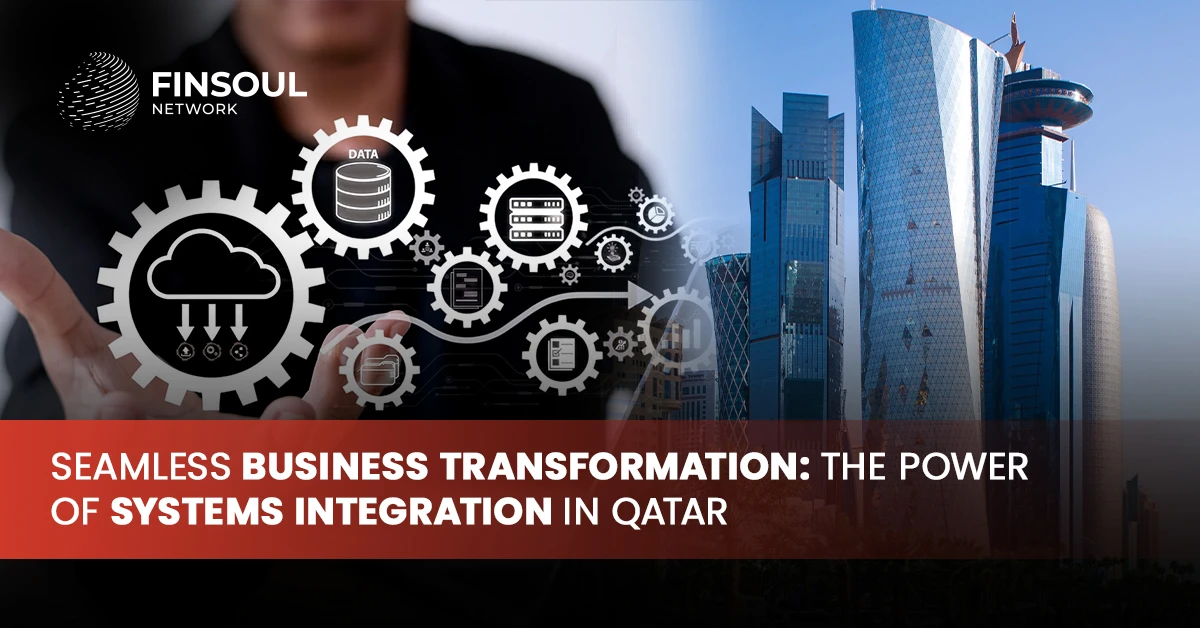

Seamless Business Transformation: The Power of Systems Integration in Qatar
Across the globe, companies are embracing digital transformation to streamline operations, enhance customer experiences, and stay competitive. For enterprises in Qatar, this transformation takes on an even more critical role as the nation aligns itself with the Qatar National Vision 2030, focusing on economic diversification, innovation, and sustainable growth.
At the core of this digital transformation lies systems integration, a powerful enabler that connects disparate technologies, applications, and processes into a unified ecosystem. Without seamless systems integration, businesses risk inefficiencies, silos, and disruptions that can hinder their growth and agility.
Understanding Systems Integration
Systems integration is the process of linking different IT systems, software, applications, and processes to function as a cohesive unit. Instead of working in isolated silos, integrated systems share data, improve collaboration, and create real-time visibility across the organization.
For example, a Qatari retail chain may use separate solutions for inventory management, customer relationship management (CRM), e-commerce, and accounting. Without integration, these systems operate independently, causing delays, duplicate work, and inaccuracies.
However, with a well-planned systems integration strategy, all platforms communicate seamlessly, enabling efficient operations, real-time insights, and a better customer experience. In essence, systems integration is the backbone of digital transformation, ensuring technology investments deliver maximum value.
Table of Contents
Why Systems Integration Matters For Qatari Enterprises
1. Enabling Qatar’s Digital Transformation Journey
Qatar is heavily investing in digital infrastructure to become a knowledge-based economy. Enterprises that align with this vision must integrate their systems to harness the full potential of new technologies such as cloud computing, artificial intelligence, big data analytics, and IoT.
Without integration, adopting these technologies in isolation creates complexity rather than efficiency. Integration ensures that every new solution adds value to the business rather than creating fragmentation.
2. Breaking Down Operational Silos
Many organizations in Qatar still face challenges with disconnected systems—HR platforms that don’t communicate with payroll, ERPs that aren’t linked to customer data, or logistics platforms that don’t integrate with finance. This fragmentation results in wasted time, errors, and lost opportunities.
Systems integration eliminates silos by connecting departments, data, and processes into one cohesive ecosystem. This not only saves costs but also enhances agility, collaboration, and decision-making.
3. Improving Customer Experience
In the digital-first era, customer experience is a competitive differentiator. Qatari customers expect seamless interactions across channels, whether they’re shopping online, contacting customer service, or visiting a physical branch.
Integrated systems empower enterprises to deliver a 360-degree customer view—combining sales, marketing, support, and operations data to provide personalized experiences. For instance, a bank in Doha can integrate CRM with its digital banking platform to anticipate customer needs and provide tailored financial solutions.
4. Supporting Qatar’s Smart Nation Ambitions
Qatar has positioned itself as a hub for smart cities and innovation-driven services. Systems integration plays a vital role in enabling smart initiatives by connecting IoT devices, government services, and business platforms into a seamless digital ecosystem.
From healthcare to transport to energy, integrated systems help Qatari enterprises contribute to building smarter, more connected communities.
Challenges Of Not Embracing Systems Integration
Failure to adopt a proper integration strategy comes with risks:
- Data Inconsistencies: Different platforms generate conflicting data, leading to poor insights and unreliable reporting.
- Operational Inefficiency: Manual data transfers and duplicate tasks slow down operations.
- Security Risks: Multiple disconnected systems increase vulnerabilities and make compliance harder.
- Poor Customer Experience: Without integration, businesses fail to deliver seamless and consistent services.
- Limited Scalability: Enterprises struggle to adopt new technologies or expand operations effectively.
For Qatari enterprises striving to compete regionally and globally, these challenges can become major barriers to growth.
Key Benefits Of Systems Integration For Businesses In Qatar
1. Efficiency and Productivity
Automating workflows and connecting platforms reduces manual intervention, minimizes errors, and accelerates processes. For example, integrating ERP with supply chain systems allows businesses to optimize procurement, reduce delays, and ensure efficient operations.
2. Data-Driven Decision-Making
With integrated systems, Qatari businesses gain access to real-time, accurate data. Leaders can make smarter, faster decisions supported by analytics that span all departments, from finance to operations to customer engagement.
3. Enhanced Security and Compliance
Qatar has strong regulations for data privacy and cybersecurity. Integration ensures centralized control, better monitoring, and compliance with standards such as GDPR and Qatar’s own Data Privacy Law, reducing risks of breaches.
4. Cost Savings
While integration requires upfront investment, it significantly reduces long-term costs by eliminating redundancies, improving efficiency, and maximizing the ROI of existing IT systems
5. Reliability and Flexibility
As Qatar’s enterprises expand into regional and global markets, integrated systems provide the flexibility to scale and adopt new technologies with minimal disruption.
Systems Integration in Key Qatari Sectors
- Banking and Finance: Integrating core banking, CRM, and compliance systems enhances customer trust and improves regulatory adherence.
- Healthcare: Integration of patient management systems, electronic health records, and IoT devices supports better patient care and operational efficiency.
- Retail and E-Commerce: Seamless integration between online and offline platforms ensures consistent customer experiences.
- Oil & Gas: Integrating IoT, operational technologies, and ERP systems streamlines processes and boosts safety.
- Government and Public Sector: Integration enables smart city projects, digital citizen services, and improved governance.
Best Practices For Successful Systems Integration
- Assess Current Systems: Identify gaps, redundancies, and opportunities for improvement.
- Choose Scalable Solutions: Invest in platforms that adapt to evolving business needs.
- Focus on Security: Ensure integrated systems meet Qatar’s data protection standards.
- Prioritize Interoperability: Select tools that seamlessly connect across platforms.
- Partner with Experts: Collaborate with experienced IT consulting and integration providers in Qatar who understand local regulations and industry needs.
Conclusion
Systems integration is the powerhouse that improves this transformation, enabling businesses to unify operations, harness data, deliver exceptional customer experiences, and innovate at scale.
By investing in seamless systems integration strategies, Qatari enterprises can overcome silos, improve efficiencies, and future-proof their operations. Finsoul Network believes that as Qatar continues its journey toward becoming a global innovation hub, systems integration will remain the backbone of seamless business transformation. Book a consultation with us to explore more about our systems Integration services in Qatar.
No Comments
Recent Blogs